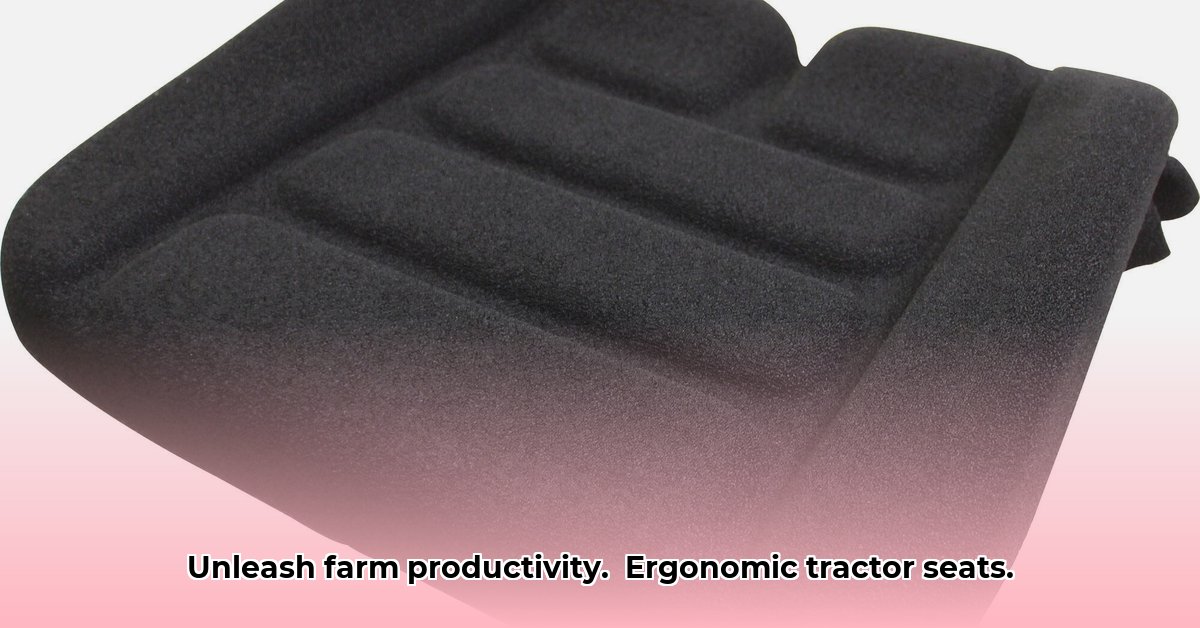
Long days in the field take a toll. Back pain, fatigue, and even labor shortages plague farmers. But what if a simple upgrade could significantly improve comfort, boost productivity, and contribute to sustainable agriculture? The answer lies in investing in ergonomic tractor seat cushions. This guide provides actionable steps to choose, install, and maintain the perfect cushion for your needs, maximizing comfort and enhancing your farm's sustainability. For more information on sustainable tractor seat options, check out this helpful resource.
Assessing Your Current Situation: Is Your Seat Sabotaging Your Success?
Before you buy, honestly assess your current tractor seat. Is the padding worn, causing discomfort? Does it lack lumbar support, leading to back pain and fatigue? Do you find yourself constantly fidgeting, searching for a comfortable position? These issues affect not only your comfort but also your focus and productivity. A supportive seat is your command center; it needs to function optimally for you to do the same.
Choosing the Right Cushion: Comfort, Sustainability, and Your Bottom Line
The market offers a variety of tractor seat cushions, each with unique features and price points. Consider these key factors:
Materials: Quality and Environmental Impact
- Foam Density: Higher-density foam offers superior support and longevity. Think of it like mattresses: higher density equals better support and longer lifespan.
- Fabric: Breathable fabrics like mesh are ideal for hot climates, keeping you cool and comfortable. Durable, water-resistant materials extend the cushion's life.
- Sustainable Materials: Choose cushions made from recycled or bio-based materials like coir (coconut fiber). These options minimize environmental impact while offering excellent comfort and vibration dampening. Coir, for example, is a renewable resource.
Features: Enhancing Comfort and Support
- Lumbar Support: Crucial for back health, lumbar support maintains your spine's natural curvature, reducing strain and preventing pain.
- Ventilation: Air channels or breathable covers are essential in warm climates, preventing overheating and discomfort.
- Heating/Cooling: While not necessary, these features enhance comfort in extreme temperatures.
Price: Balancing Cost and Value
Budget-friendly options exist, but higher-end cushions offer superior comfort, support, and durability. Consider your budget and prioritize features that best meet your needs. A higher initial investment often translates to lower long-term replacement costs. Isn't prolonged comfort worth the initial investment?
Installation and Maintenance: A Smooth Transition and Long-Term Care
Installing your new cushion is typically straightforward:
- Remove the Old: Carefully remove existing cushions or padding.
- Read Instructions: Consult the manufacturer's instructions for model-specific installation.
- Secure the New: Position the cushion correctly and secure it using straps or fasteners as needed.
Regular cleaning and protection from harsh weather conditions will extend your cushion's life. Simple maintenance keeps your investment working for years to come. What's the cost of neglecting your equipment's longevity?
Long-Term Considerations: Sustainability and Productivity
Investing in an ergonomic, sustainable tractor seat cushion is a smart, long-term decision. Improved comfort leads to increased productivity, reduced fatigue, and a lower risk of injury. Choosing sustainable materials minimizes your environmental footprint – a win-win for both your farm and the planet. This is a sustainable solution with a powerful return on investment, impacting not just your comfort, but your bottom line.
Key Considerations for Sustainable Choices:
- Lifecycle Analysis: Consider the entire life cycle of the cushion, from material sourcing to disposal.
- Durability: A durable cushion reduces the need for frequent replacements, minimizing waste and cost.
- Recycled or Bio-based Materials: Opt for cushions made from sustainable, renewable resources.
By prioritizing comfort, sustainability, and long-term value, you’re investing in a healthier, more productive, and more responsible farming operation. Isn't it time to upgrade your comfort and boost your sustainable practices?